
Popular Foundation Repair Products To Address Structural Challenges
Identify proven solutions that target common foundation problems and provide lasting stabilization for your home or building.
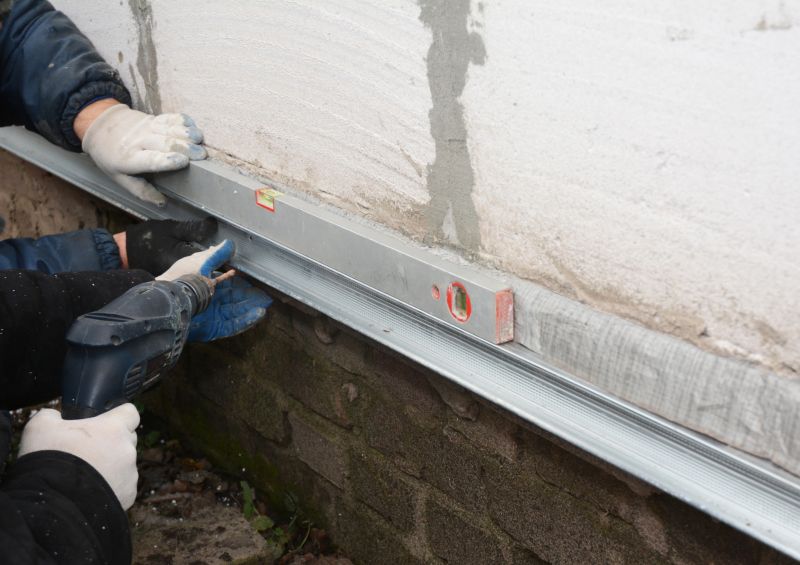 Foundation repairs are a critical aspect of maintaining the structural integrity of a building, especially in areas where soil conditions or weather patterns can lead to shifting or settling foundations. Various products are designed to address different types of foundation issues, from minor cracks to significant settling or shifting. Selecting the right products involves understanding the specific needs of your property, the extent of the damage, and the underlying causes of the foundation movement. Proper application and high-quality materials can help stabilize the foundation and prevent further deterioration, ultimately preserving the safety and value of the property.
Top Overall Option
Concrete Pier System
Concrete pier systems are versatile and widely used for foundation stabilization. They involve installing piers beneath the foundation to lift and support the structure, helping to address uneven settling. These systems are customizable to accommodate various foundation types and soil conditions, making them a popular choice for many repair projects. Proper installation ensures improved load distribution and long-term stability, making concrete pier systems a reliable solution for foundation support.
Types of Products For Foundation Repairs
Epoxy Injection Kits
Used to seal cracks and restore concrete strength, epoxy injection kits are suitable for minor to moderate cracks in foundations and walls.
Concrete Pier Systems
These systems involve installing piers beneath the foundation to lift and stabilize, ideal for addressing uneven settling.
Hydraulic Jacks
Hydraulic jacks are used to lift and level a foundation during repairs, providing controlled support for realignment.
Underpinning Plates
Underpinning plates are used in conjunction with piers to reinforce and stabilize the foundation, especially in cases of significant settlement.
Soil Stabilization Products
These products improve soil conditions around the foundation, reducing shifting and settling caused by soil movement.
Polyurethane Foam Injectors
Used for underpinning and lifting, polyurethane foam injectors expand to fill voids and lift the foundation.
Crack Repair Sealants
Sealants designed specifically for sealing small cracks and preventing water infiltration that can lead to further damage.
Steel Push Piers
Steel push piers are driven into the ground to provide support beneath the foundation, suitable for severe settlement issues.
Helical Piers
Helical piers are screwed into the ground to stabilize and support foundations, especially in difficult soil conditions.
Grout and Mudjacking Materials
Used to lift and level concrete slabs and foundations, these materials fill voids and provide support.
Drainage and Waterproofing Products
These products help manage water flow around the foundation, reducing water-related damage and soil erosion.
Vibration and Soil Compaction Equipment
Tools that compact soil around the foundation to reduce shifting and improve stability.
Popular Choices
Widely used for sealing foundation cracks, these kits are popular for quick and effective crack sealing.
Commonly chosen for their adaptability to different foundation types and soil conditions.
Frequently used for leveling and realigning foundations during repair projects.
Popular for their quick expansion and ability to lift and stabilize foundations with minimal disruption.
Chosen for their strength and ability to support severe settlement issues in challenging soil conditions.
Most commonly used for sealing small cracks to prevent water intrusion and further damage.
Popular for protecting foundations from water infiltration and related issues.
Effective in improving soil consistency around foundations to minimize shifting.
Commonly used to prepare soil prior to foundation repair to ensure stability.
In Shelbyville, Tennessee, where soil types and weather conditions can influence foundation stability, homeowners and contractors often turn to a range of specialized repair products. These include underpinning systems, epoxy injections, concrete pier systems, and hydraulic jacks, among others. Each product type offers unique advantages and is suitable for different scenarios. For example, epoxy injections are effective for sealing cracks and restoring strength to concrete surfaces, while underpinning systems can provide more comprehensive support for settling foundations.
Understanding the specific requirements of your foundation is essential before selecting repair products. Consulting with a foundation specialist can help determine the most appropriate solutions, whether it involves lifting and leveling, crack sealing, or reinforcement. Properly chosen and applied products can help mitigate further movement, improve load distribution, and enhance the overall stability of the structure. Remember that foundation repair is an investment in safety and longevity, and using the correct products is key to achieving reliable results over time.
Key Buying Considerations
- Assess the extent and type of foundation damage to determine suitable repair products.
- Consider the soil conditions and how they influence foundation stability and repair options.
- Evaluate the compatibility of repair products with your existing foundation materials.
- Determine whether the solution requires lifting, crack sealing, underpinning, or a combination.
- Ensure the products are designed for the specific foundation type, such as slab or pier-and-beam.
- Review the installation procedures and whether professional assistance is recommended.
- Check for product certifications and adherence to safety standards.
- Consider the long-term durability and maintenance requirements of the repair products.
- Evaluate the ease of application, especially if planning a DIY repair.
- Research the reputation and reviews of the product manufacturer or supplier.
- Estimate the overall cost, including labor, materials, and potential future repairs.
- Identify if the products include warranties or guarantees for performance.
- Determine if additional accessories or complementary products are needed for comprehensive repair.
- Consider the environmental conditions that may affect the longevity of the repair, such as moisture or temperature fluctuations.
- Consult with a foundation specialist to ensure the selected products suit your specific needs.